







Search Results for: Hot Coffee Insulation
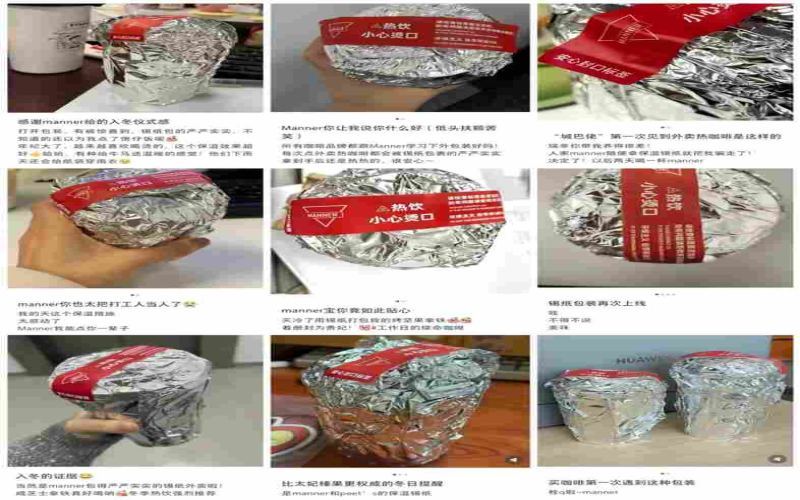
Manner's winter foil insulation packaging returns, customers touched while staff under pressure
As the cold season arrives, Manner Coffee has once again introduced foil packaging to keep takeaway hot drinks warm, a move that has sparked widespread discussion on social media. Many customers are touched by the brand's thoughtful detail, believing that the foil effectively maintains the drink's temperature and improves the takeaway experience. However, store employees face extra work pressure, especially during peak ordering periods, when packing efficiency is affected. This article reviews the history of Manner's foil packaging, analyzes the different perspectives of customers and employees, and explores whether there are better insulation solutions. [more…]
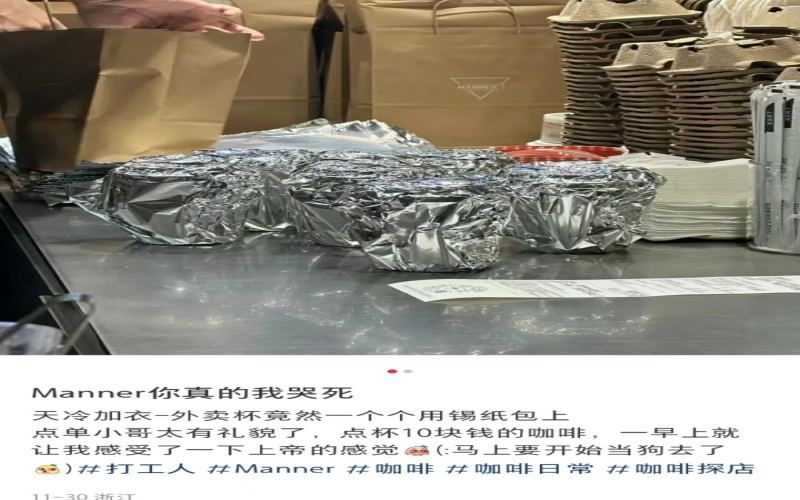
Manner's foil-wrapped hot coffee for insulation goes viral: thoughtful detail or excessive packaging?
When the December cold wind picks up, friends who order hot coffee delivery start worrying again: by the time it arrives, it's often just lukewarm, and drinking it is really not comforting enough. To preserve that warm sip, coffee shops are pulling out all the stops. Recently, netizens noticed that Manner's baristas wrap each hot delivery cup in shiny silver foil, as if adding a winter coat to the cup—a sight that is both surprising and a bit amusing. Some joked that spending ten yuan on a coffee actually gave them the feeling of being cherished. Is this layer of foil just for show, or can it really lock in the heat? Consumer feedback is almost unanimously one-sided: when peeling off the foil, the contents are shockingly hot, so much so that you have to turn on a fan to cool it down. In fact, this is not Manner's first year trying it out; it was already implemented last year. Behind heat preservation lies a common drinking principle: as temperature drops, acidity and bitterness become more pronounced. Is Manner's move just formalism or a scientific plus? Front Street is here to take you on a deep dive. [more…]
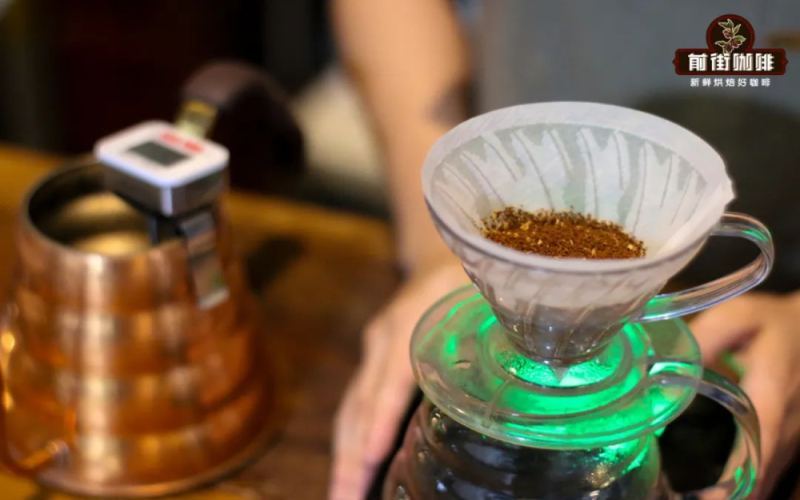
What temperature should you set for pour-over coffee in winter? Changes in slurry temperature and practical insulation tips
After the weather turns cold, many coffee enthusiasts find that using the same brewing parameters makes their coffee taste weak and lacking in sweetness. The problem often lies in the water temperature—a low-temperature environment accelerates heat loss, causing the actual extraction temperature to be lower than expected. Through actual testing, Front Street has found that at the same initial water temperature, there is a clear difference in the temperature of the coffee bed between summer and winter. This article will analyze the gap between the water temperature in the kettle and the extraction temperature, provide specific recommendations for adjusting water temperature in winter, and share practical techniques to reduce heat loss, helping you consistently produce a cup of pour-over coffee with full flavor even in the cold season. [more…]

How to Choose the Water Temperature for Pour-Over Coffee? A Full Analysis of Suitable Temperatures for Light and Dark Roasts and Insulation Details
When brewing pour-over coffee, even if the water quality, technique, and timing are all normal, under-extraction can still occur, and the problem often lies with the water temperature. Beans of different roast levels have different water temperature requirements: light-roasted beans are dense and need higher water temperatures, while dark-roasted beans have a loose structure and are better suited to lower water temperatures. Front Street Coffee typically uses 91~93°C for light-roasted beans and 86~89°C for dark-roasted beans, making fine adjustments based on the condition of the beans and the grind size. In addition, details such as the pouring height and whether the kettle spout and dripper are preheated can also affect the actual water temperature, thereby changing the extraction effect. This article will analyze the logic of water temperature selection in detail and share how to maximize the efficiency of hot water through operations such as preheating, making the coffee flavor more pleasant. [more…]

The Art of Detail in Coffee Takeout Packaging: The Complete Design Logic from Leak-Proof Venting to Heat-Preserving Compartmentalization
Takeout coffee has become an important part of daily consumption. From the moment a store hands off an order to the moment a rider delivers it, packaging design directly determines whether the cup of coffee the customer receives is intact, whether the temperature is right, and whether the taste is as good as it was fresh. Behind a cup of takeout coffee lies a series of detailed considerations: vent holes, leak-proof paper, foil insulation, separate packing and bagging, and even rain bags and custom packing boxes. These seemingly inconspicuous packaging steps not only affect order efficiency and the consumer experience, but also serve to spread word of mouth for the brand. This article will break down, one by one, the often-overlooked tricks of the trade in coffee takeout packaging, and look at how merchants strike a balance between preventing spills, keeping coffee warm, and preserving taste. [more…]
How long can the flavor window of pour-over coffee be extended if stored in a thermos? Which coffee beans are suitable for drip brewing?
Freshly brewed hot coffee often has a peak flavor window of less than an hour—once the aroma dissipates and the temperature drops, the taste degrades significantly. This is a common frustration for many coffee lovers. Is there a way to make coffee stay delicious for longer? The answer is to pour it into a thermos. The combined effects of sealing and insulation can significantly slow aroma loss and temperature decline, extending the enjoyable period to two or three times its original length. Front Street Coffee once conducted a test with Panama Boquete Geisha, and the results showed that coffee in a thermos performed excellently for the first two hours, began to decline noticeably by the third hour, and after about three hours was almost only flat. Of course, a thermos is not a cure-all—coffee stored too long in the bottle still carries a risk of bacterial growth, so drinking it as soon as possible is best. This article will explain from three aspects: principles, experiments, and practical suggestions. [more…]
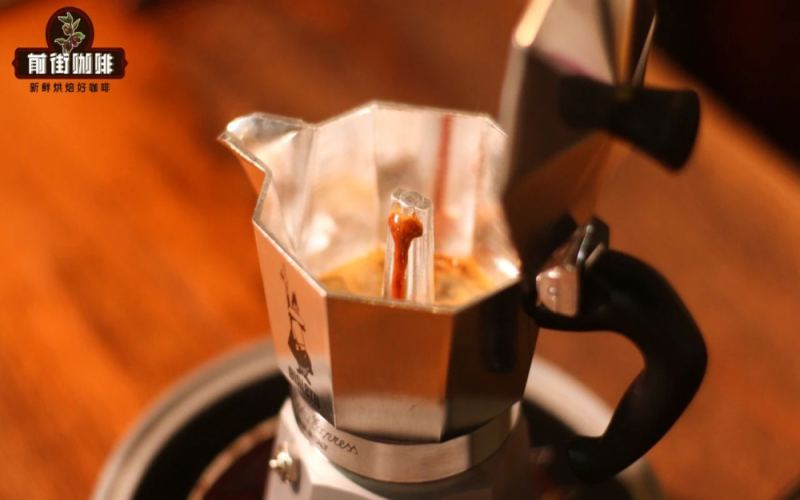
Moka Pot Brewing Precautions | Can Improper Use of a Moka Pot Explode and Injure Someone? What Are the Moka Pot Mistakes Coffee Beginners Need to Watch Out For?
For more specialty coffee knowledge, please follow our WeChat public account: Front Street Coffee (FrontStreet Coffee). In daily life, Front Street often hears a saying: "For safety reasons, it's best not to use a moka pot." Why is that? Why is using a moka pot not recommended? [more…]

Ice Eye B75 Flat-Bottom Dripper Review: How a Large-Hole Design Unlocks Coffee's High Sweetness and Cleanliness
Front Street Coffee has previously introduced the concave-designed conical Ice Pupil dripper, and today we bring its younger sibling—the Ice Pupil B75. This flat-bottom dripper, co-designed by Li Jinlong and Timemore in 2022, gets its name from the Basket and its 75° angle. It features a 5cm extra-large drainage hole and a thick-walled heat-retaining structure, bringing the coffee bed closer to a cylindrical shape, allowing for smooth and even drainage. Front Street conducted both hot and iced brewing tests using Ethiopian 74158 Santa Vini and Emerald Green Label Geisha: during hot brewing, the B75 maintained a stable flow rate throughout, completing extraction in 2 minutes and 9 seconds, with prominent notes of dried mango, strawberry, and black tea, and an extremely strong sweetness; during iced brewing, it presented a balanced juice-like quality of honey, cream, and mandarin orange. The B75 is also very friendly to beginners who are not skilled at flow control, making it a powerful tool for amplifying the strengths of sweet beans. [more…]
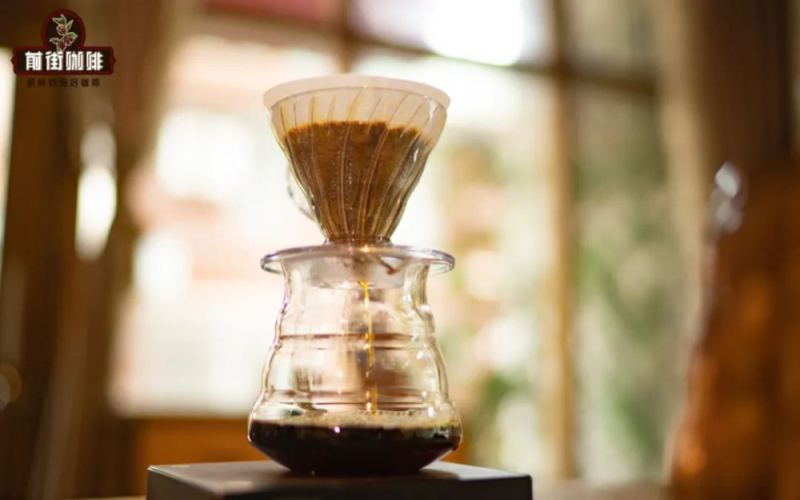
How Does Filter Cone Material Affect Coffee Extraction? Analyzing Brewing Differences Through Thermal Conductivity and Specific Heat Capacity
Coffee filter cups on the market come in a wide variety of materials—resin, glass, ceramic, and metal each have their own fans—but what real impact do different materials actually have on brewing? Many people's first thought is the price difference, but setting aside cost, the most core difference between materials lies in their ability to control temperature. Thermal conductivity determines how quickly heat is transferred, while specific heat capacity relates to how much heat an object can store. Together, these two physical parameters directly change the temperature performance of hot water during the extraction process. Metal conducts heat fastest but also dissipates it quickly; ceramic has a high specific heat capacity but needs thorough preheating; glass performs mildly; and resin, because it absorbs heat slowly, has almost no effect on water temperature. In this article, Front Street Coffee will break down the characteristics of four common filter cup materials one by one, and combine them with the actual differences in flow rate among V60 versions made of different materials, to help everyone understand why you cannot simply copy extraction formulas from the internet, but should instead flexibly adjust your brewing strategy according to the material of the filter cup in your hands. [more…]
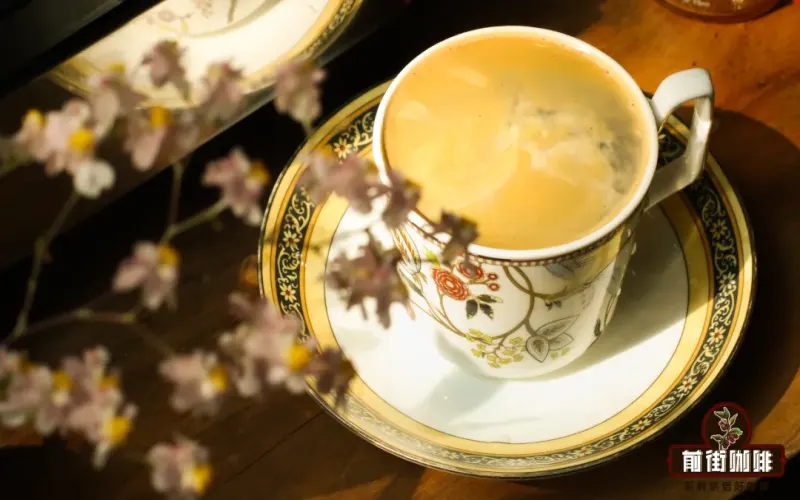
Home American Coffee Brewing Guide: Detailed Ratios, Water Temperature, and Parameters for Moka Pots and Drip Machines
Want to easily make a smooth cup of Americano at home, but don't have an espresso machine? In fact, the moka pot and the drip coffee maker are two alternatives that are very suitable for home or office use. This article focuses on these two devices, explaining in detail the coffee grind size, reference ratios of coffee dose to water volume, water temperature control, and specific operating techniques, to help you avoid the common problems of over-extraction and weakness. At the same time, we will also compare the taste differences between making Americano with a moka pot and a drip machine, and based on different flavor preferences, provide suitable coffee bean roast levels and specific Front Street Coffee bean recommendations. Whether you like it rich and full-bodied, or prefer it fresh and clean, you can find the cup of black coffee that suits you. [more…]
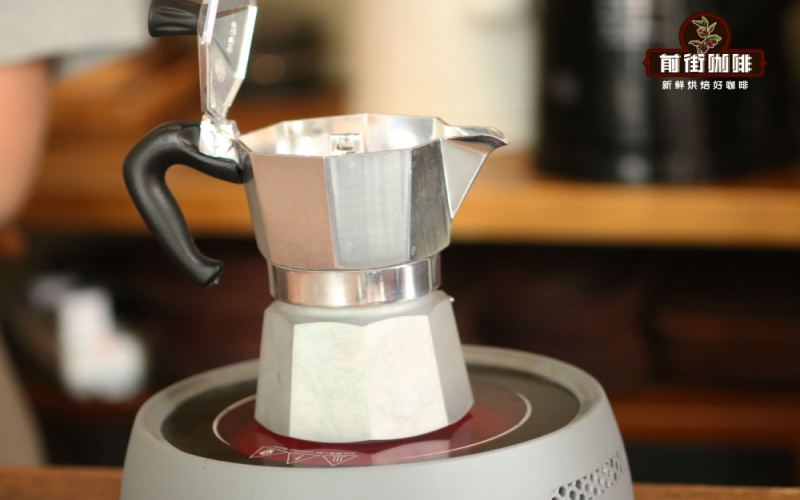
Will a moka pot explode? From principles to operational details, teaching you to safely brew rich coffee
The moka pot, with its unique pressurized extraction method, can brew rich coffee close to espresso, making it a favorite among home coffee enthusiasts. However, because it involves pressure, many people have doubts about its safety. In fact, as long as you master the correct operating steps, these problems can be completely avoided. Starting from the working principle of the moka pot, this article will explain in detail the suitable coffee bean choices, specific recommendations for the Front Street Coffee brand, and twelve usage details that must be noted—from preparing a new pot, water level control, and grounds filling, to gasket replacement, how to tighten the pot body, suitable heat sources, and troubleshooting. Whether you use an aluminum alloy or stainless steel model, these practical suggestions can help you avoid risks and consistently produce moka coffee with a rich layer of crema. [more…]
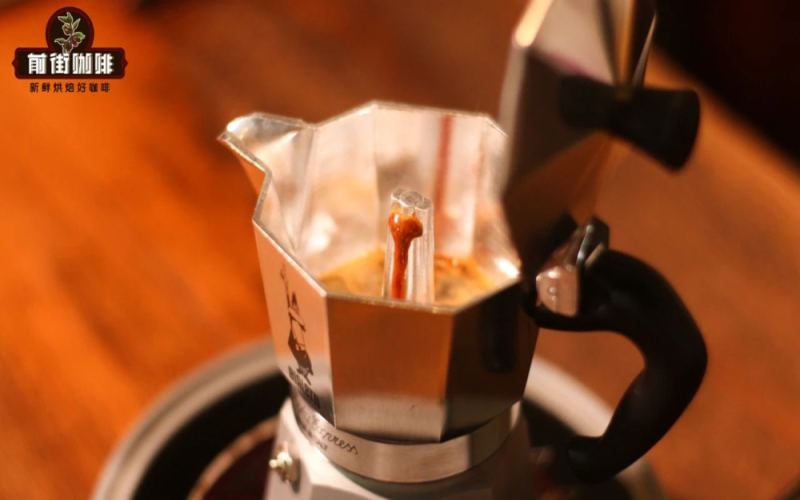
Moka Pot Aluminum Safety Analysis: A Complete Guide to Cleaning Taboos and Practical Operation Tips
As a classic coffee brewing device with a history of several hundred years, the moka pot is still favored by many coffee enthusiasts today. However, questions about whether it is safe, whether the aluminum alloy material poses any problems, and whether it can be put in the dishwasher for cleaning have long troubled many people. In daily conversations, Front Street has found that many friends have misconceptions about the moka pot, believing that it is complicated to use and poses safety hazards. In fact, as long as you master the correct methods of use and the key points of cleaning and maintenance, the moka pot can absolutely become a capable assistant for making coffee at home. Starting from the structure and principles of the moka pot, this article will analyze in detail the safety issues of aluminum moka pots, and compile more than ten practical operating precautions to help everyone avoid common misunderstandings and safely enjoy the rich coffee brought by the moka pot. [more…]
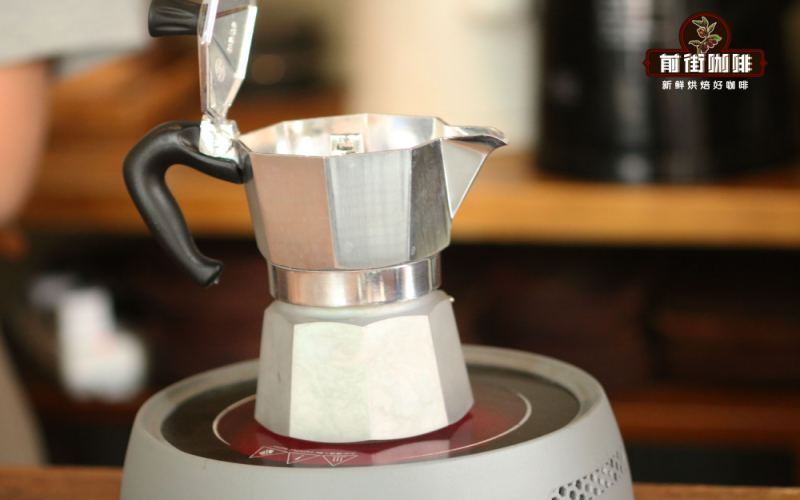
Does Moka Pot Extraction Count as Espresso? A Full Analysis of Dose, Grind Size, and Operation Details
The moka pot is a classic symbol of Italian coffee culture and also a substitute for many households that don't have an espresso machine. But does the coffee it brews actually count as espresso? How much ground coffee should go in a cup, how fine should the grind be, and how should the heat be controlled? This article starts from the structure and working principle of the moka pot, explains its essential differences from modern espresso in terms of pressure and temperature, and provides practical parameters such as coffee dose, grind size, and bean selection. It also includes complete operating steps and common questions about crema, helping you consistently brew a rich, delicious cup with a moka pot. [more…]
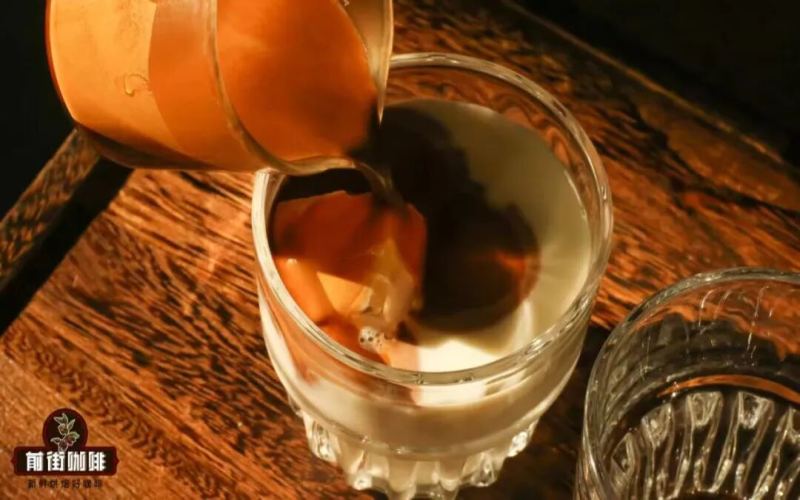
Espresso Milk Coffee | What Is a Dirty Coffee and How Does It Differ from an Iced Latte? What Are the Differences in How You Drink a Dirty and an Iced Latte?
Since the ingredients used to make a Dirty and an iced latte are exactly the same—both are iced milk plus espresso—and they look much the same, both featuring a layered structure created by the milk and the espresso, Front Street Coffee often gets asked by customers drinking iced lattes: "Both are iced milk plus espresso, so what's the difference between a Dirty and [more…]
A Detailed Guide to Four Coffee Brewing Methods: Operational Essentials for Siphon, French Press, Pour-Over Drip, and Cold Brew Iced Coffee
To brew a cup of coffee with rich layers of flavor at home, choosing the right equipment and mastering the correct technique are equally crucial. This article systematically introduces four mainstream coffee brewing methods—the siphon (vacuum) coffee maker, the French press, the paper-filter pour-over dripper, and cold-water iced coffee—breaking down each one's equipment features, suitable grind size, coffee-to-water ratio, and detailed operating steps, along with practical tips. Whether you are a coffee enthusiast just starting out or an advanced player hoping to refine your technique, you will find a brewing method that suits you. The article also specifically recommends related products from Front Street Coffee to help you start your home coffee journey more easily. [more…]
Are there explosion risks with moka pots? IKEA announces recall of espresso moka pots, Front Street explains safe usage guidelines in detail
The recent news of IKEA urgently recalling its Italian-style moka pots has prompted many coffee lovers to re-examine the safety of this classic piece of equipment. Do moka pots really pose a risk of exploding? And what operational details must be kept in mind during daily use? Front Street Coffee has put together the key points about moka pots, from their structural principles to practical operation, covering new pot seasoning, water level control, coffee bed handling, gasket replacement cycles, heat source compatibility, and troubleshooting common issues. As for coffee bean selection, Front Street has also provided suitable roasting directions and specific product recommendations for moka pots. As long as you master the correct method, the moka pot remains a reliable helper for making espresso-style coffee at home. [more…]
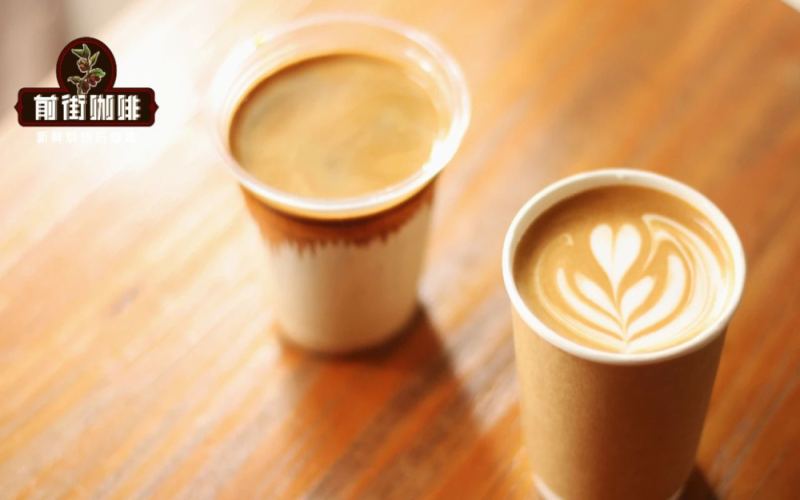
Key Points for Making a Latte | What Milk Froth Temperature Is Suitable for an Espresso Latte? How Can Coffee Beginners Control the Steaming Temperature of Coffee and Milk?
As the temperature drops, more and more customers at Front Street Coffee shops are ordering hot milk coffee. The steamed sweet milk blended with espresso creates a cup of smooth, fragrant hot latte that truly brings a lot of warmth. To keep the hot latte from cooling down too quickly after serving, some friends steam the milk to a higher temperature. At this point, getting the milk temperature just right is especially important. [more…]
Three Common Pitfalls in Keeping Hot Coffee Warm: Misconceptions About Heaters, Microwaves, and Insulated French Presses
Many people prefer to finish their coffee while it is still steaming, because the aroma is at its most vibrant when the temperature is high. But once they cannot finish it, some choose to keep reheating it or repeatedly warming the cup, unaware that if these methods are done improperly, they can instead cause the coffee to lose its aroma, make the taste bland, and even bring out a burnt, bitter flavor. This article sorts out the three most common mistakes people make when keeping hot coffee warm in daily life—using a heater to keep it warm continuously, putting it in the microwave to heat it, and storing coffee in an insulated French press—and explains one by one their specific effects on flavor. At the same time, it offers a simple and reliable alternative: switch to a thermos and rely on the coffee's own temperature to maintain its heat. At the end, it also includes Front Street Coffee's reminder about re-brewing coffee grounds, to help you enjoy a good cup of coffee more completely. [more…]
Do You Really Need to Preheat Your Cup Before Making Coffee? A Comprehensive Analysis of the Differences in Cup Warming Between Espresso and Pour-Over
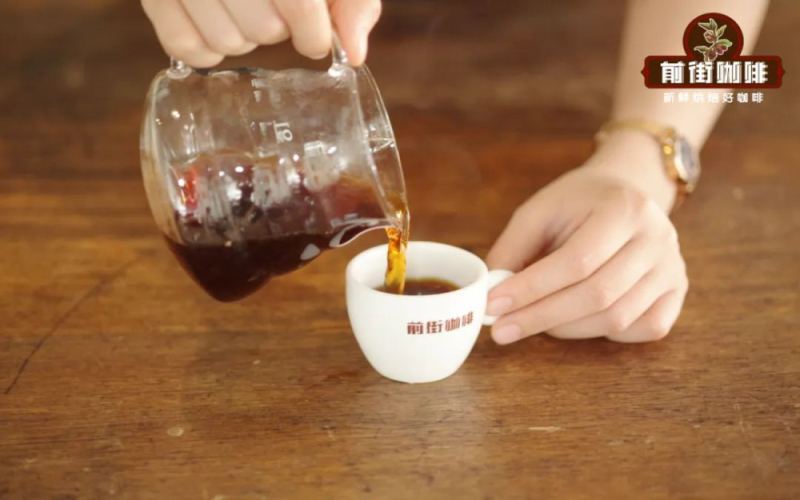
In the process of coffee making, whether cups need to be preheated in advance has always been a topic of discussion among enthusiasts. For espresso, warming the cup is almost indispensable, because drinks such as espresso, latte, and cappuccino noticeably deteriorate in flavor after their temperature drops. The situation with pour-over coffee is somewhat different: it allows you to taste layered changes across different temperature ranges, and the serving temperature itself is relatively high, so whether to warm the cup depends more on the actual scenario and needs. This article will combine Front Street Coffee's practical comparisons to analyze in detail the respective effects of cup warming on espresso and pour-over coffee, and provide specific suggestions for different cup types, helping you make a more suitable choice in your daily brewing. [more…]
Bialetti Moka Pot Practical Manual: Step-by-Step Breakdown, Bean Selection Philosophy, and Full Analysis of Extraction Details
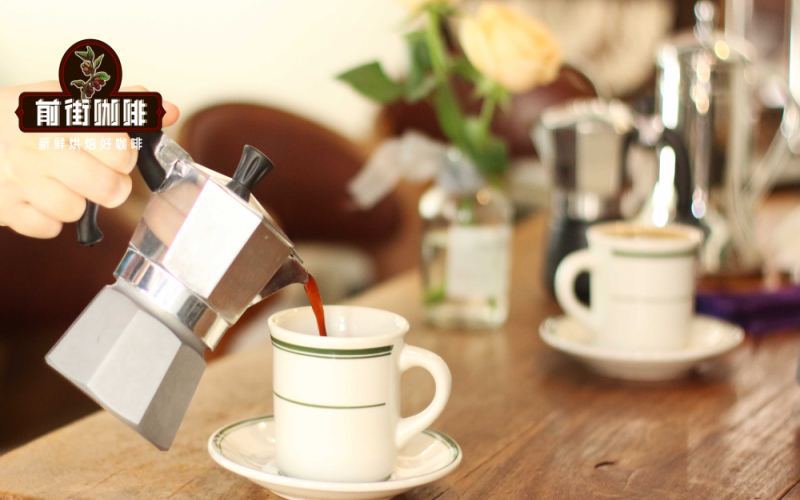
The moka pot may seem easy to use, but if you want to consistently brew a rich, delicious cup of coffee, every step matters—from adding water and filling the grounds to controlling the heat. This article uses the Bialetti moka pot as an example, first outlining the complete brewing process, then explaining key aspects one by one, including coffee bean selection, grounds quantity control, extraction time, water volume, and heat adjustment. The article also combines two products—Front Street Coffee Classic Espresso Blend and Front Street Coffee Dark Cocoa Espresso Blend—to offer bean selection advice suitable for the moka pot, helping coffee lovers make full-bodied, well-balanced moka pot coffee at home. [more…]